
Hot Tub 50 Amp Wiring Installation in Wenatchee, WA
A new 50 amp circuit from the garage panel to a backyard hot tub, run in conduit with a GFCI spa disconnect and a clean final connection at the spa pack.
The Job
The homeowners had a new hot tub going in on their back patio, and nothing on that side of the house to power it. The tub's spec plate called for a 240 volt supply, and like most full-size tubs it needed to be hardwired on its own circuit. The panel was in the attached garage, on the far side of the house from the patio.
So the job was to get a dedicated 50 amp circuit from the garage panel, through the garage, out to the patio and into the tub, with a code-compliant disconnect along the way.
In the Panel
We opened the panel and landed the new circuit on a dedicated 2-pole breaker sized for the tub. Before adding anything, we made sure the panel had the space and capacity to take on a hot tub load without crowding the rest of the house. If it hadn't, the next step would have been an electrical panel upgrade. Here it had room, so the cover went back on and the new circuit went out through a junction box above the panel.
Through the Garage and Outside
From the junction box, the circuit runs in EMT conduit up the wall and across the garage ceiling, kept tight to the ceiling and clear of the garage door opener and the overhead storage racks. Exposed wiring in a garage gets bumped, so conduit protects it where cable alone would not.
Outside, the conduit drops to a GFCI spa disconnect mounted on the house wall, within sight of the tub and more than 5 feet from its edge. From the disconnect, the run continues along the wall above the patio door and comes down in liquid-tight flexible conduit to the tub.
The Spa Pack Connection
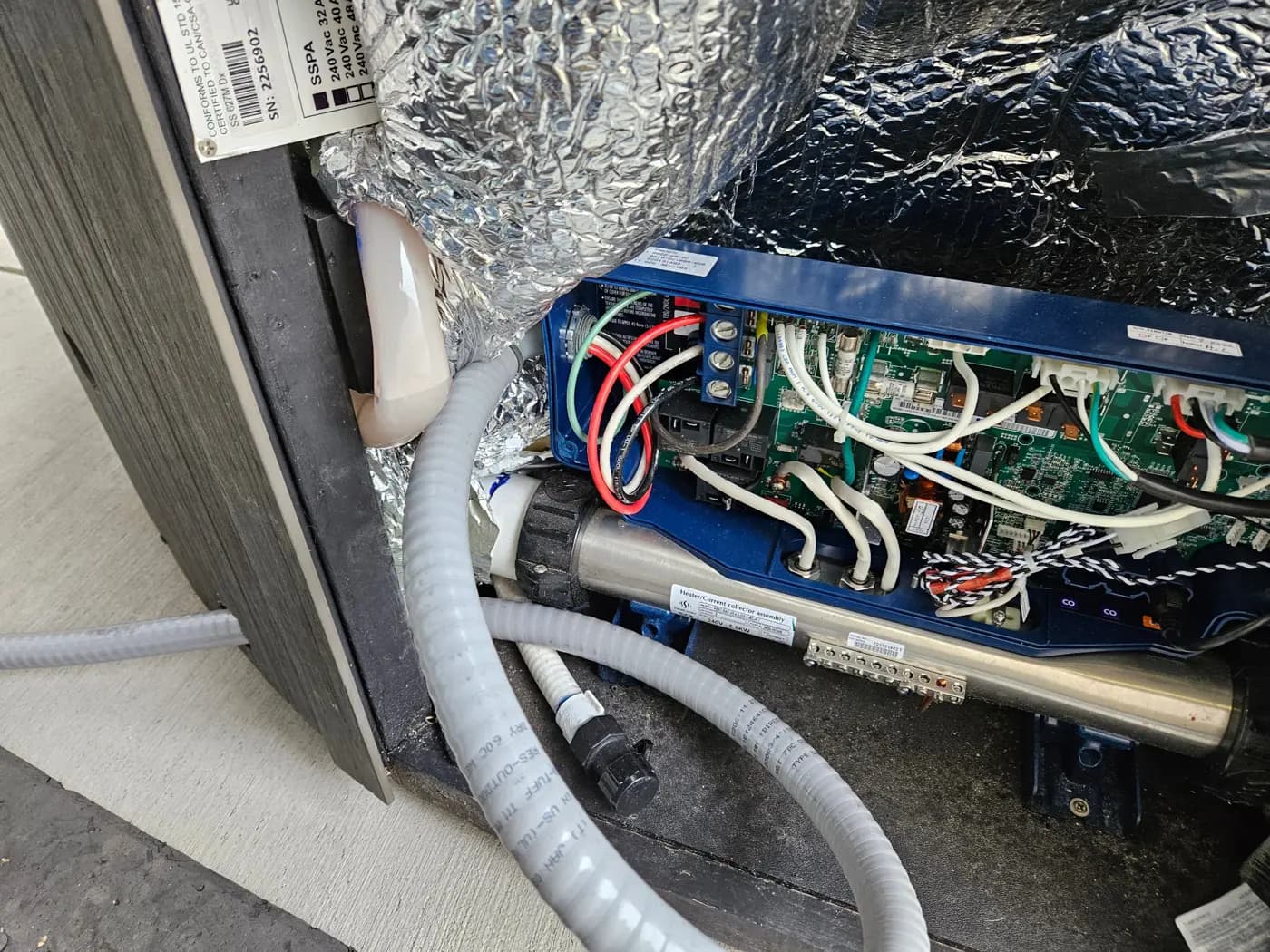
The last step is the one most people never see. The feed comes into the spa's control pack through a liquid-tight fitting, and the conductors are landed on the pack's terminal block to match the tub's wiring diagram and amperage setting. Then we powered it up, tested the GFCI and ran the heater and pumps to confirm everything worked under load.
Planning a hot tub of your own? See how we approach hot tub wiring from start to finish, or our electrical wiring installation work in general.
How the Job Came Together
- 01
Check the tub and panel
Confirmed the tub's 240 volt requirements and that the garage panel had room for a new 50 amp circuit.
- 02
New breaker
Added a dedicated 2-pole breaker and sent the circuit out through a junction box above the panel.
- 03
Conduit run
Ran EMT conduit across the garage ceiling and outside along the house wall.
- 04
GFCI disconnect
Mounted a GFCI spa disconnect within sight of the tub, at least 5 feet from its edge.
- 05
Spa pack connection
Brought liquid-tight flex into the spa pack and landed the conductors to the tub's diagram.
- 06
Test
Tested the GFCI and ran the heater and pumps to confirm the install under load.
Project Photos
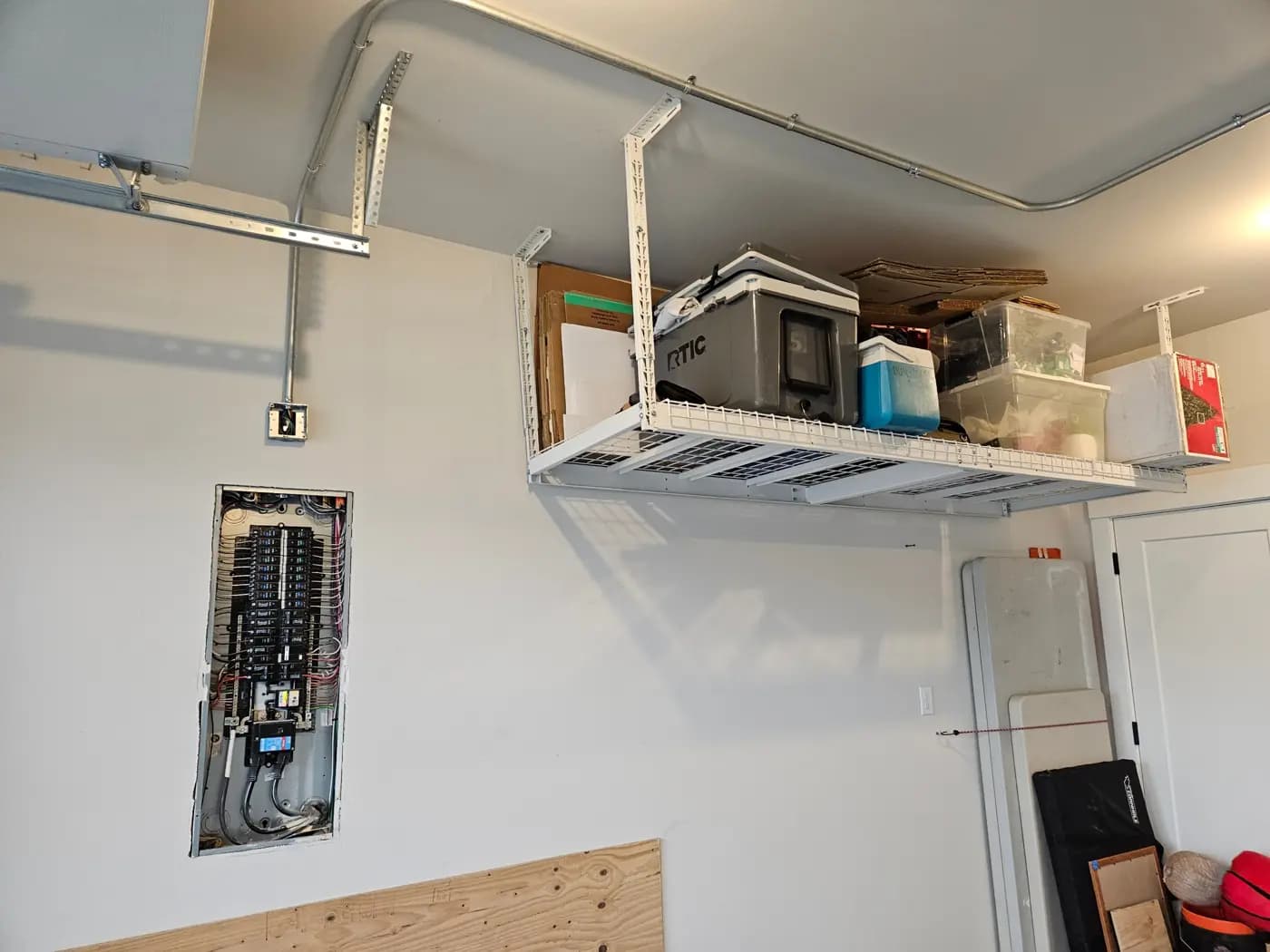
The garage panel opened up to land the new 50 amp circuit. 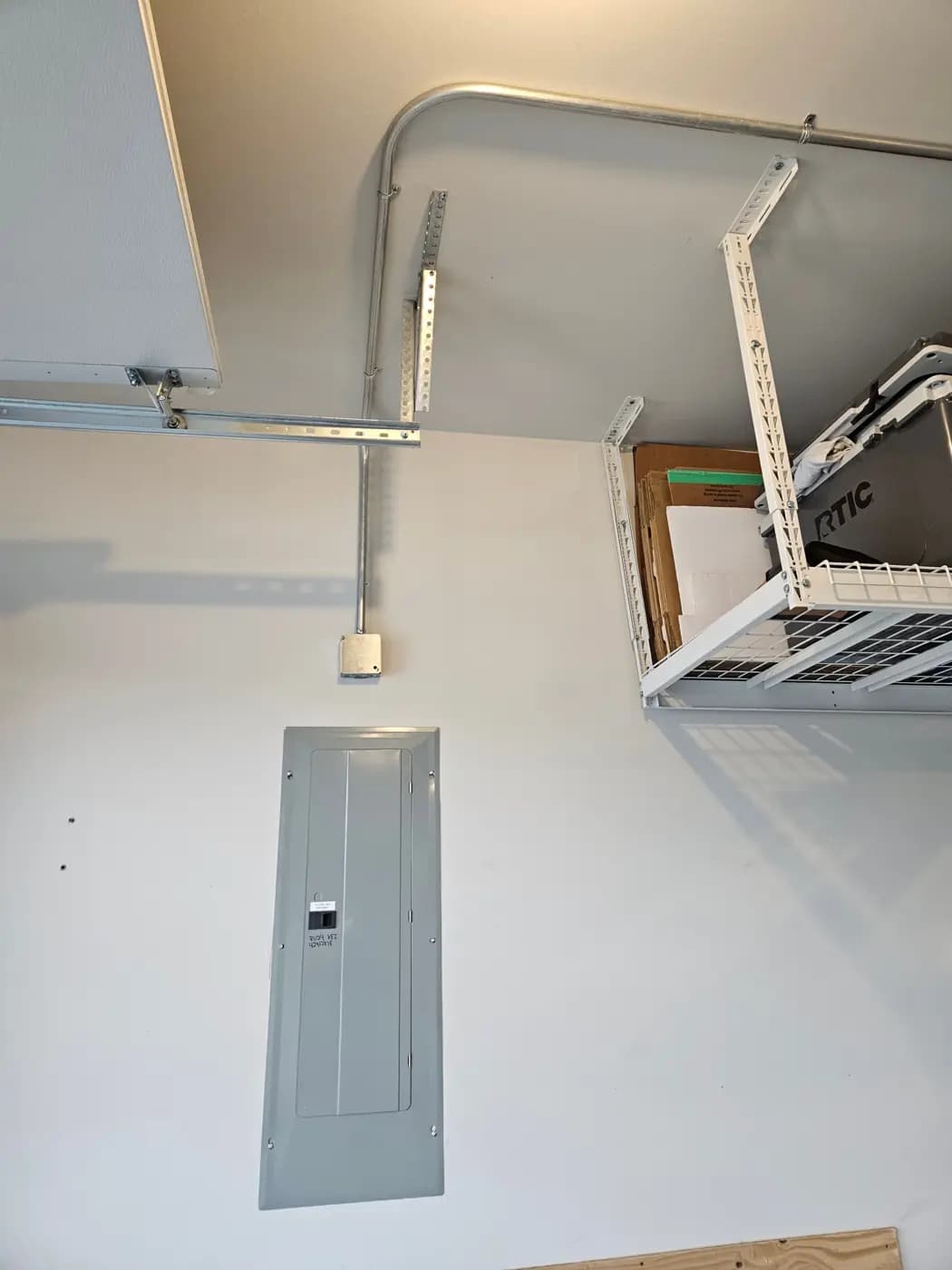
Back together, with the new circuit leaving through a junction box above the panel. 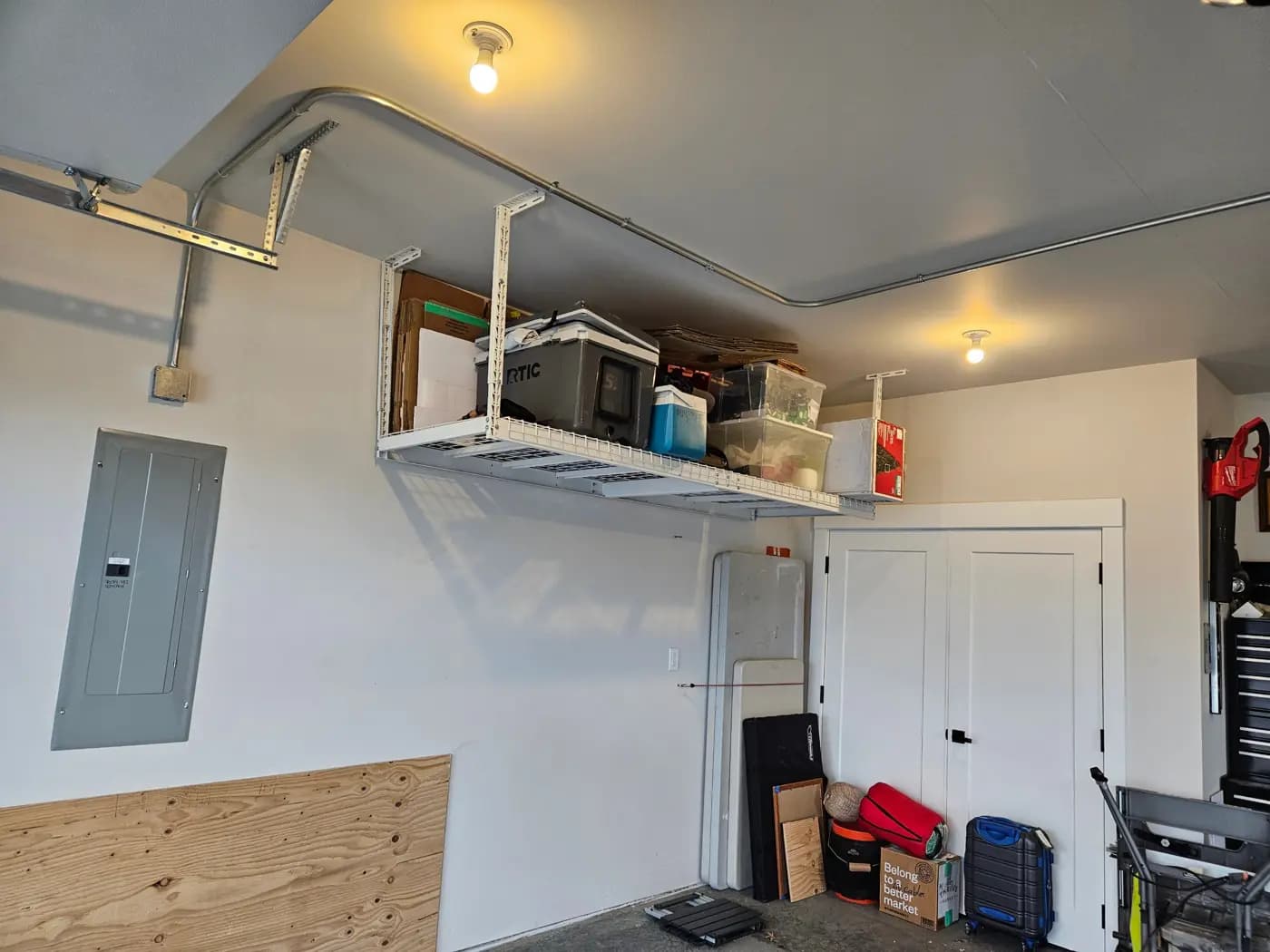
EMT conduit routed across the garage ceiling, clear of the door opener and storage racks. 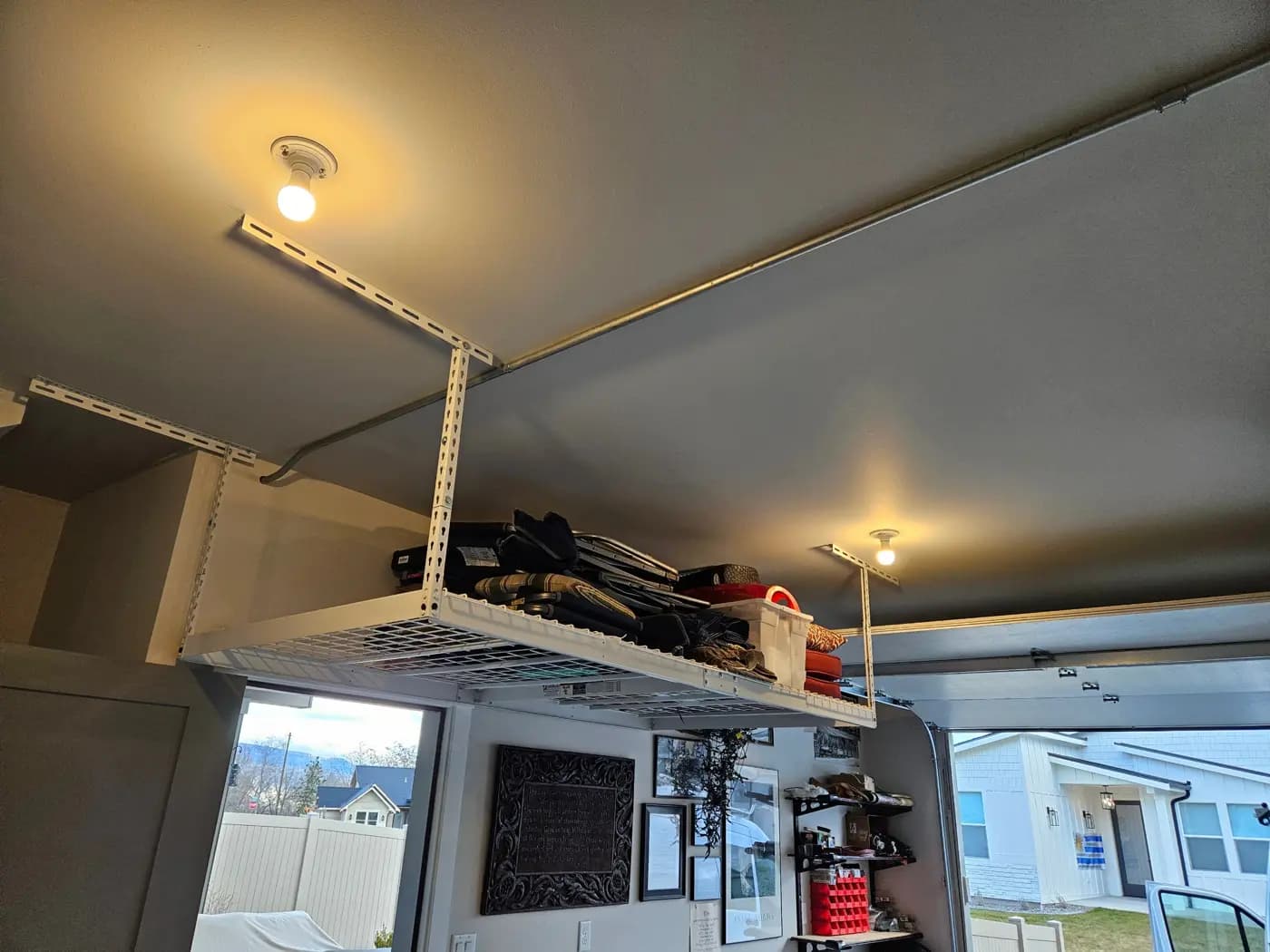
The run heading across the garage toward the patio side of the house. 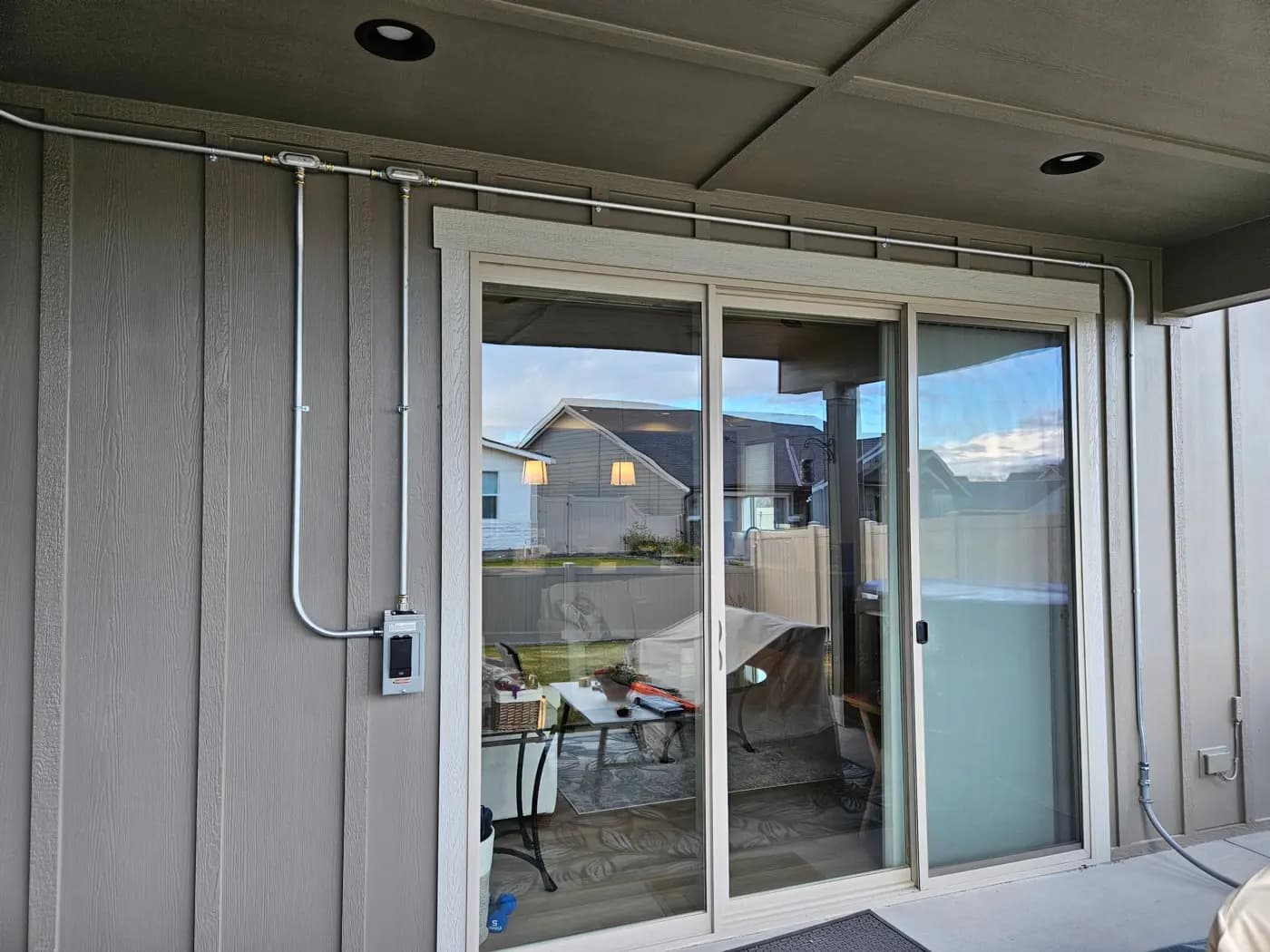
Outside: the GFCI spa disconnect, then conduit over the door and down to the tub.

Request a project quote
Planning Something Similar?
Building, remodeling, or adding something new? Share a few details about your electrical project and let's discuss the next step.